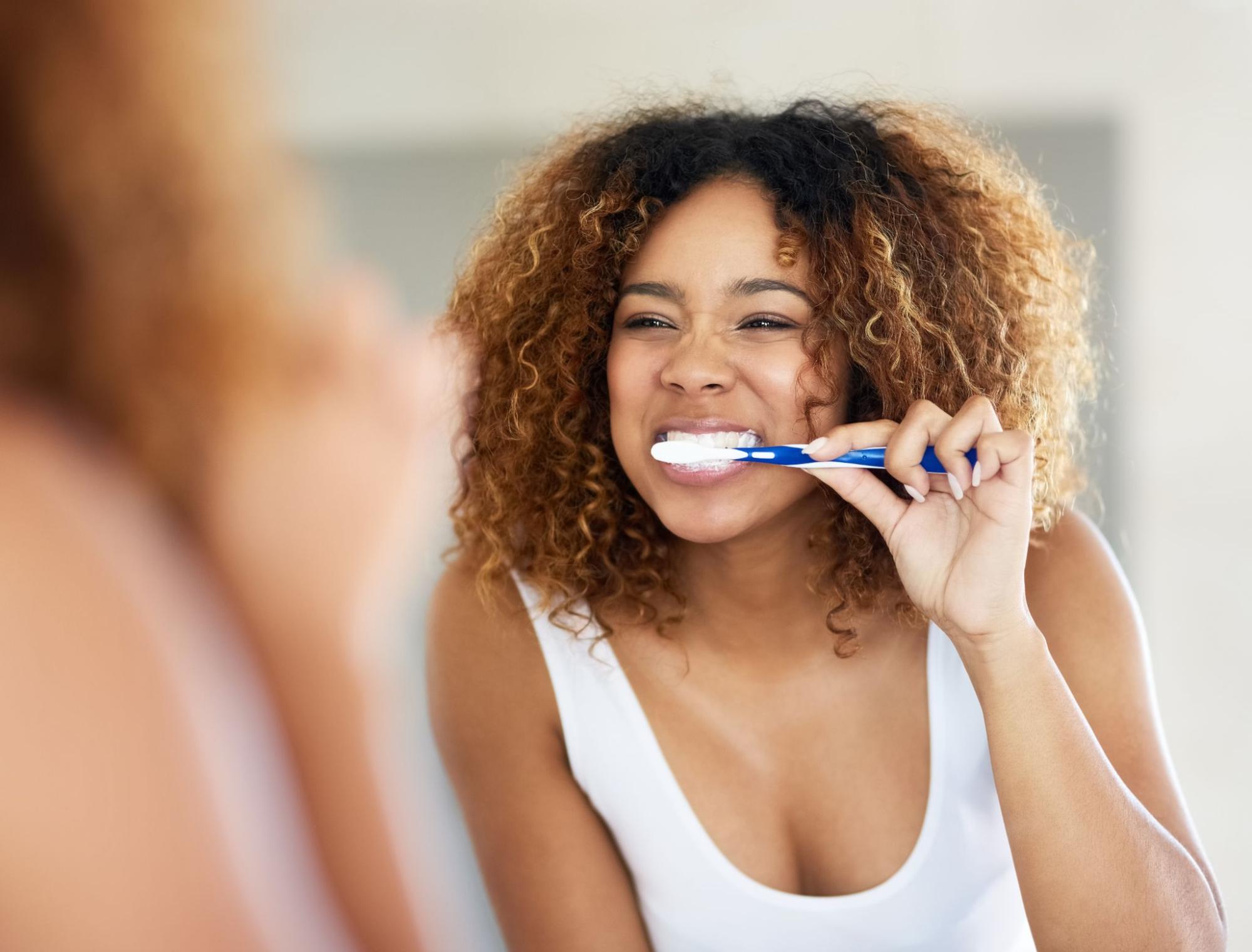
Getting braces is an exciting step, but it also means stepping up your oral hygiene game. Our board-certified orthodontists, Dr. Paul Serrano and Dr. Andrew Serrano, see patients every day at Serrano Orthodontics who want to keep their teeth healthy throughout their orthodontic treatment.
The truth is, brushing with braces requires more time and attention than brushing without them, but the payoff is worth it. Food particles and plaque love to hide around brackets and wires, creating the perfect environment for bacteria to thrive. Without proper care, you might end up with white spots on your teeth, cavities, or swollen gums that can slow down your treatment progress.
Essential Tools Make All the Difference
Before diving into technique, you need the right equipment:
- Soft-bristled toothbrush – Hard bristles can damage your brackets and irritate your gums
- Interdental brushes – These tiny brushes slip between wires to clean tight spaces
- Water flosser – Blasts away food particles that traditional floss might miss
- Fluoride toothpaste – Helps strengthen tooth enamel and prevent decay
- Orthodontic floss threaders – Makes traditional flossing possible with wires in the way
- Antimicrobial mouthwash – Reduces bacteria and freshens breath
Having these tools within reach makes your daily routine much more manageable, whether you’re using traditional braces or Invisalign aligners.
The Right Technique When Brushing With Braces
Hold your toothbrush at a 45-degree angle to your gums. This position helps you clean both above and below your brackets effectively. Brush gently in small circular motions rather than aggressive back-and-forth scrubbing that can damage your orthodontic hardware.
Divide your mouth into sections and spend about 10 seconds on each area. Clean the top of each bracket, then angle your brush to clean underneath. Don’t forget the chewing surfaces of your back teeth and the inside surfaces that your tongue touches. Plan for at least three minutes of brushing time. This might seem long compared to your pre-braces routine, but thorough cleaning prevents problems that could extend your treatment time.
Morning vs. Evening Routines
Your morning routine can be slightly quicker since you haven’t eaten overnight. Focus on freshening your breath and removing any overnight plaque buildup. Your evening routine should be more thorough since you’ve accumulated food particles and bacteria throughout the day.
Electric vs. Manual Brushes
Electric toothbrushes can be particularly effective for braces patients because they provide consistent motion and often include timers to ensure adequate brushing time. However, a manual brush works perfectly well if you’re committed to proper technique and timing.
Dr. Andrew Serrano often reminds patients that a few extra minutes of daily care saves hours in the dental chair later. When you’re tired or running late, it’s tempting to speed through your routine. Resist that urge. Your teeth are making a significant investment in their future, and they deserve the time.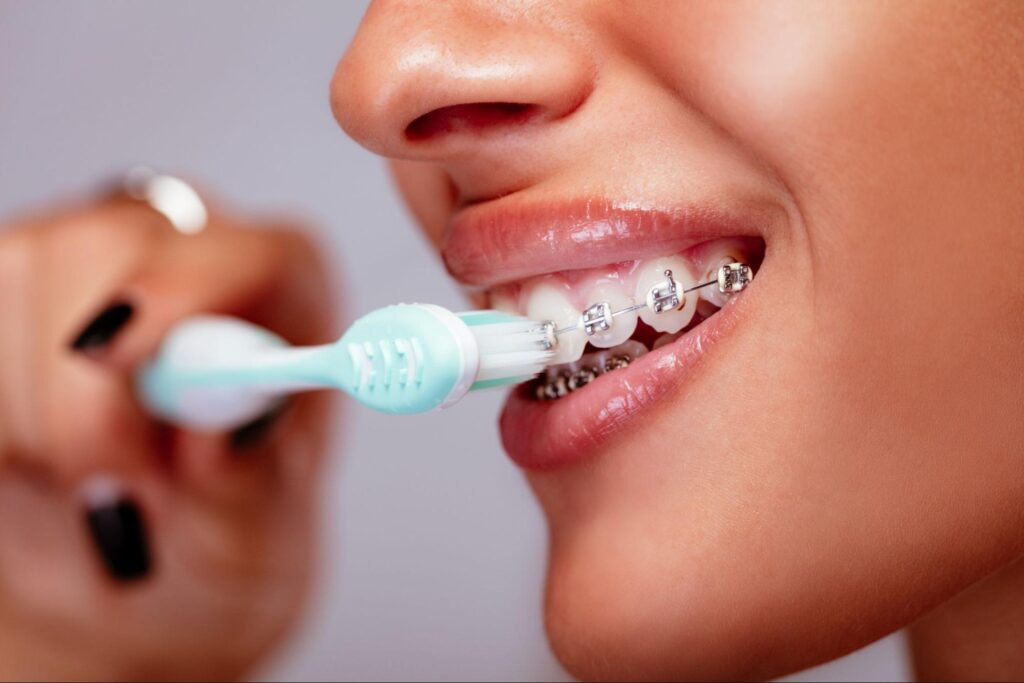
Managing Meals and Snacks
What you eat affects how much cleaning you’ll need to do afterward. Sticky, chewy, or hard foods create more challenges for braces patients.
After meals, rinse your mouth with water to dislodge loose food particles before they settle in. If you can’t brush immediately after eating, at least swish vigorously with water and brush as soon as possible.
Carrying a travel toothbrush makes this easier when you’re away from home. Consider timing your snacks strategically. If you know you’ll be in meetings or classes for hours, choose braces-friendly foods that won’t leave debris behind.
The Flossing Challenge
Traditional flossing becomes trickier with orthodontic appliances, but it remains crucial for gum health. Thread your floss under the main wire using a floss threader, then gently work it between your teeth.
Water flossers offer an excellent alternative that many patients find easier and more effective than traditional string floss.
The team at Serrano Orthodontics often demonstrates proper flossing techniques during adjustment appointments. Don’t hesitate to ask for a refresher if you’re struggling with any part of the process.
When wearing clear brackets or traditional metal braces, consistent flossing prevents gum inflammation that can make your orthodontic treatment less comfortable and potentially less effective. Dr. Paul Serrano has seen too many patients develop gum problems that could have been easily prevented.
Warning Signs You Can’t Ignore
Your mouth will tell you if your brushing routine needs improvement. Watch for red, swollen, or bleeding gums, which signal that bacteria are winning the battle. White or brown spots around your brackets indicate early tooth decay that requires immediate attention.
Bad breath that doesn’t improve with regular brushing and mouthwash use often means food particles are hiding in hard-to-reach places. If you notice any of these symptoms, contact your orthodontist right away. Early intervention prevents minor issues from becoming major problems.
Build Better Habits
Set up your bathroom with all the tools you need so there’s no excuse to skip steps. Some patients find it helpful to use a timer or play a favorite song to ensure they’re brushing long enough.
Remember that your orthodontic treatment timeline depends partly on your oral hygiene. Patients who maintain excellent care often finish their treatment on schedule, while those who struggle with cleaning may need additional time to address complications. Your commitment to proper brushing with braces pays dividends when your brackets come off to reveal your beautiful new smile.
Let Us Help You Meet Your Dental Goals
If you’re ready to improve your dental care, contact Dr. Paul Serrano and Dr. Andrew Serrano at Serrano Orthodontics. We look forward to helping you meet your hygiene goals in our Phoenix or Chandler office. Reach out for any questions or to set up an appointment.