
Wondering if your teeth, bite, or jaw discomfort warrants a professional opinion? You’re not alone. Recognizing the 7 Signs It’s Time to Visit an Orthodontist can help you catch small issues before they turn into bigger ones. At Serrano Orthodontics, our board-certified smile doctors have helped families understand when orthodontic care is the right next step since 1982.
This guide walks you through what to watch for, what to expect, and how to decide if a professional evaluation makes sense for you or your child.
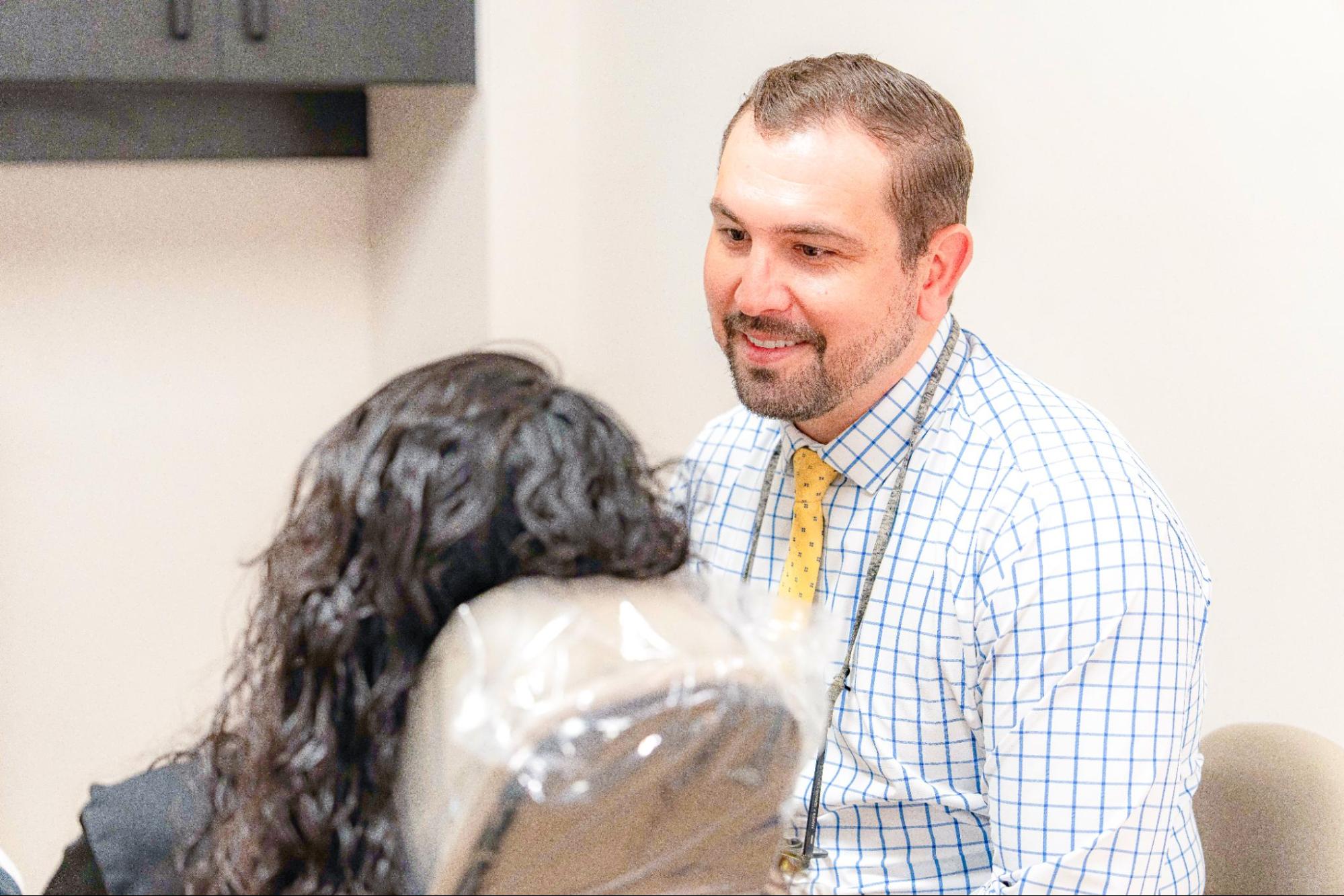
What Does It Mean to “Need” an Orthodontist?
An orthodontist is a dental specialist who focuses on tooth alignment, jaw position, and bite function, going well beyond what a general dentist handles day to day. “Needing” an orthodontist usually means you have one or more signs that your teeth or jaw aren’t working together the way they should.
Many of these signs develop slowly. You might not notice crowding getting worse, or a bite shifting over the years, until a dentist points it out or discomfort starts creeping in. Small changes stack up over time, and what felt minor last year can become a daily annoyance today. That’s why occasional check-ins with a specialist matter, even when nothing feels urgent.
The good news? Early evaluation often leads to simpler, faster care. Catching things early can mean fewer appointments, more treatment options, and better long-term results.
Orthodontic care isn’t just for kids with metal braces, either. Children, teens, and adults all benefit from an expert look. At Serrano Orthodontics, Dr. Paul Serrano and Dr. Andrew Serrano are both board-certified by the American Board of Orthodontics, and we see patients of every age. If you’re unsure whether your situation calls for treatment, a quick evaluation gives you clear answers without any pressure.
How to Recognize the 7 Signs (Self-Check Guide)
Not sure if what you’re experiencing is normal? Use this quick self-check. If any of the following sound familiar, it’s worth scheduling an orthodontic evaluation.
- Difficulty biting or chewing certain foods. If you avoid apples, steak, or crusty bread because chewing feels off, your bite may be misaligned.
- Crowded, crooked, or overlapping teeth. Teeth that twist, overlap, or sit on top of each other are harder to clean and more prone to decay.
- Jaw soreness, clicking, or TMJ tension. Popping sounds when you open your mouth, tenderness near your ears, or jaw stiffness can all point to bite issues.
- Frequent headaches linked to clenching or grinding. Chronic morning headaches or tight temples often trace back to how your teeth come together at night.
- Mouth breathing, snoring, or airway concerns. Breathing issues during sleep can be connected to jaw structure and tongue position, both of which an orthodontist can assess.
- Visible gaps or bite misalignment. Overbites, underbites, crossbites, and spacing between teeth are classic signs you need braces or clear aligners.
- Teeth that have shifted over time. Noticing new crowding in your lower front teeth as an adult? That’s one of the most common reasons grown-ups come in for an orthodontist evaluation.
You don’t need to check every box. Even one of these signs of misaligned teeth is a reasonable reason to get evaluated.
Benefits of Seeing an Orthodontist Early
When people ask, “do I need an orthodontist right now?” the honest answer is usually yes if any signs are present, because waiting rarely makes things easier. Early action supports your long-term dental health in several specific ways.
Does Early Treatment Prevent Uneven Tooth Wear?
Yes. When your bite is off, certain teeth take more pressure than others. Over years, that wear can lead to chipping, flattening, and future restorative work like crowns or veneers. Balancing the bite distributes forces more evenly, which protects your enamel and extends the life of your natural teeth.
How Does Alignment Reduce Gum Disease Risk?
Crowded teeth are tough to brush and floss properly. That makes plaque buildup, cavities between teeth, and gum inflammation much more likely. Once teeth are brought into proper position, home care becomes easier and more effective, which supports healthier gums over time.
Can Treatment Improve Chewing, Speech, and Digestion?
A well-aligned bite lets you chew food thoroughly, which helps digestion. Some patients also notice clearer speech after treatment, especially when crowding or spacing was affecting tongue placement. These functional benefits often surprise people who came in focused only on appearance.
Does Orthodontic Care Help Airway and Sleep Quality?
Jaw development plays a role in how well you breathe at night. Addressing alignment issues can support better airflow and more restful sleep, which has downstream effects on energy, focus, and overall health.
Will Treatment Boost Confidence?
A smile you feel good about changes how you show up in photos, meetings, and everyday conversations. Patients often tell us this is the benefit they didn’t fully expect, and it tends to grow as treatment progresses.
Does Starting Sooner Expand Your Treatment Options?
The earlier an issue is caught, the more choices you have. Mild cases often qualify for Invisalign or clear braces, while more complex ones may still have shorter treatment timelines when started sooner.
Serrano Orthodontics has been caring for families across Phoenix and Chandler since 1982, with care that fits each person’s goals and schedule.

Signs by Age Group: Children vs. Teens vs. Adults
The 7 signs we covered can show up at any age, but what to watch for shifts a bit depending on life stage. According to the American Association of Orthodontists, children should have their first orthodontic evaluation by age 7, which surprises many parents.
Here’s a quick breakdown:
| Age Group | Common Signs to Watch For | Why It Matters |
|---|---|---|
| Children (7+) | Thumb sucking past age 5, early or late loss of baby teeth, mouth breathing, difficulty chewing, crowding of permanent teeth | Early evaluation lets us guide jaw growth and sometimes avoid extractions later |
| Teens | Crowding, visible crookedness, overbite or underbite, self-consciousness about smiling, jaw clicking | Teen years are a classic treatment window because growth is still happening |
| Adults | Teeth shifting over time, chronic jaw tension, cosmetic concerns, worn or chipped edges, old orthodontic relapse | Adults make up a growing share of orthodontic patients |
For kids, an early evaluation doesn’t always mean starting treatment right away. Often, it means we monitor growth and recommend intervention only if and when it’s needed. This approach is sometimes called interceptive or Phase 1 treatment.
Teens have the advantage of active growth, which can make certain bite corrections more straightforward. Adults can absolutely get beautiful results too, and today’s options are far more discreet than what was available a generation ago.
Dr. Paul Serrano and Dr. Andrew Serrano see patients across all three groups daily, which means you’re getting insight from board-certified orthodontists who understand how care differs by age.
Who Is a Candidate for Orthodontic Treatment?
Short answer: if you’re experiencing any of the 7 signs above, you’re likely a candidate for an orthodontic evaluation. Here’s how candidacy generally breaks down:
- Anyone with alignment, bite, or jaw concerns. You don’t need severe issues to benefit from care. Even mild ones qualify.
- Patients with healthy teeth and gums. As long as your foundation is healthy, teeth can be moved at nearly any age. This is why so many adults in their 40s, 50s, and beyond pursue treatment today.
- People wanting discreet options. Invisalign clear aligners are nearly invisible and removable, which makes them popular with working adults and image-conscious teens.
- Patients open to traditional approaches. Metal braces remain one of the most effective tools for complex cases, and clear braces offer a lower-profile alternative that still delivers precise results.
- Children benefiting from early guidance. Interceptive care at the right age can prevent more involved treatment later.
At Serrano Orthodontics, our full service range includes Invisalign, clear braces, metal braces, orthodontics for all ages, sleep apnea support, and custom sports mouthguards. That breadth means we can match the right approach to your situation rather than fitting you into a one-size solution.
If you’re still asking yourself “do I need an orthodontist?”, the simplest next step is a professional evaluation. You’ll leave with real answers and a clearer sense of what, if anything, needs attention.
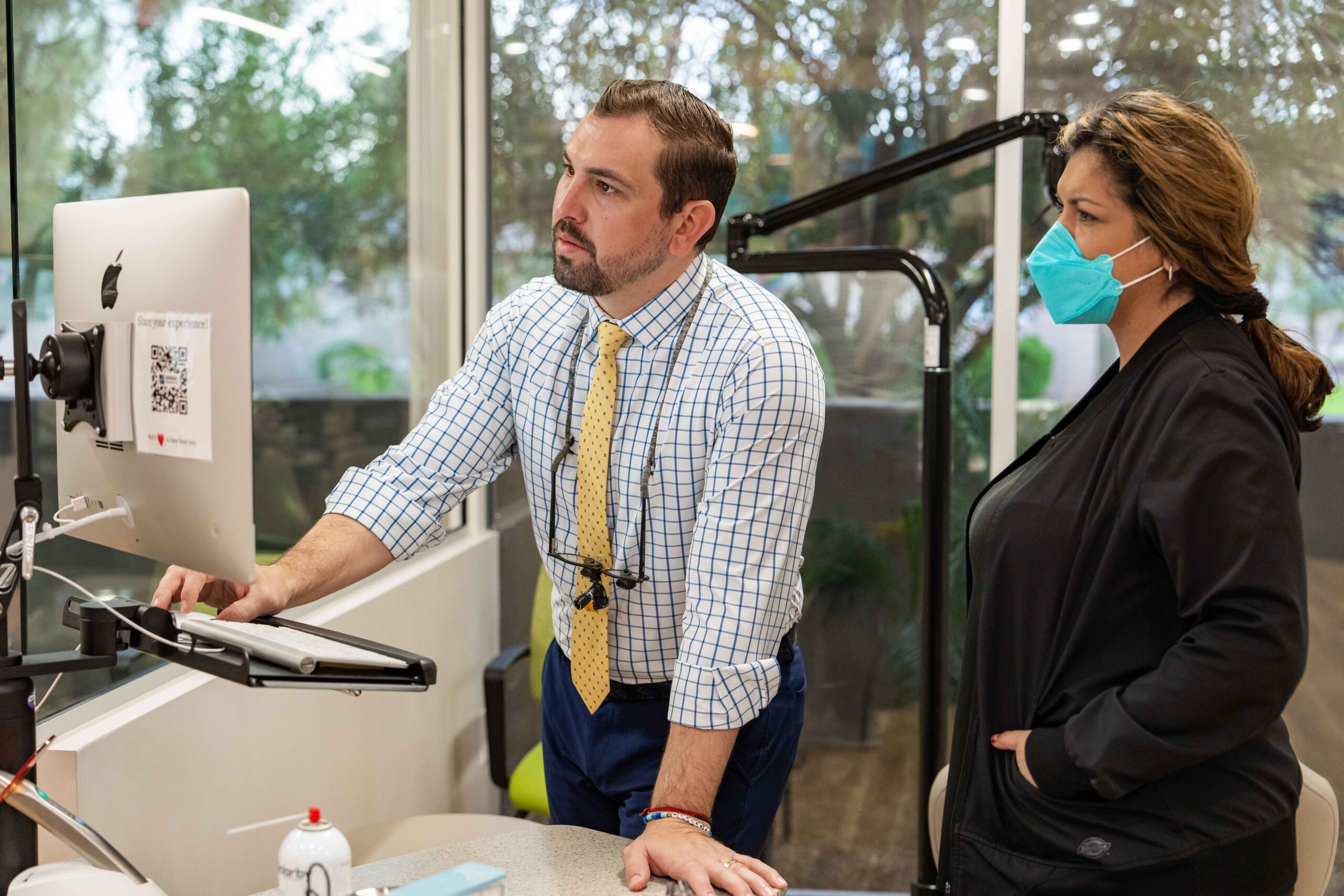
Frequently Asked Questions
Do I need a referral to see an orthodontist?
No. You can schedule an orthodontic evaluation directly without a referral from your general dentist. Many patients come in on their own after noticing one of the signs above, while others are referred by their dentist. Both paths work, and an orthodontic team will typically coordinate with your dental provider as needed.
What happens at my first orthodontic consultation?
Your first visit usually takes about an hour. The team will do a full exam, take digital images or X-rays if helpful, discuss your goals, and walk through recommended treatment options. You’ll also meet the staff and get all your questions answered. There’s generally no pressure to commit the same day, though same-day treatment is available at many practices if you’re ready.
At what age should my child first see an orthodontist?
The American Association of Orthodontists recommends a first orthodontic evaluation by age 7. At this age, enough adult teeth have come in to spot potential issues, but your child’s jaw is still developing, which gives the orthodontist flexibility. Early evaluation doesn’t mean early treatment, just early awareness.
How do I know if I need braces or Invisalign?
The best way to know is a professional evaluation, since the right choice depends on your specific bite, lifestyle, and goals. Invisalign works well for mild to moderate alignment issues and offers a nearly invisible, removable option. Metal braces or clear braces are often recommended for more complex cases or when precise control is needed. A qualified orthodontist will walk you through what fits your situation.
What are the downsides of orthodontic treatment?
Treatment does require commitment. You’ll have check-in visits every 6 to 12 weeks, mild soreness is normal when teeth begin shifting, and certain foods need to be avoided with braces. Invisalign requires wearing aligners 20 to 22 hours per day. For most patients, these trade-offs are small compared to the long-term benefits of a healthy, confident smile that lasts for decades after treatment ends.